
QENTAK FOR ADMISSIONS TEAMS
Give every enquiry a clear next step.
Connect prospective families and learners with visits, applications, document checks, decisions, and a careful handover into enrollment.
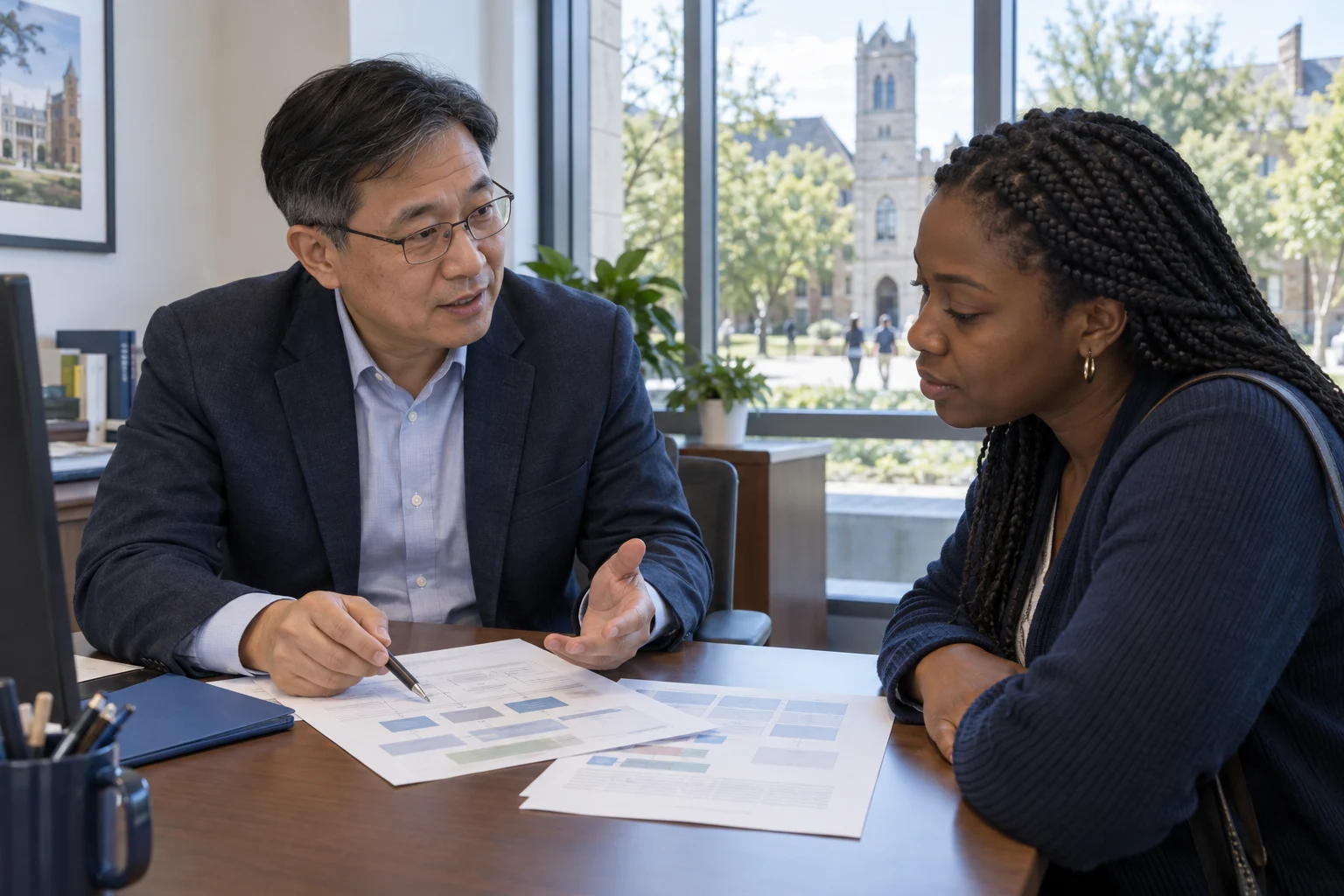
Understand the applicant’s intended start, program, and practical questions from the first enquiry.

START WITH THE RESPONSIBILITY
Priorities for admissions teams.
Build the relationship
Understand the applicant’s intended start, program, and practical questions from the first enquiry.
Coordinate review
Keep document requirements, assessments, interviews, and decision ownership visible.
Prepare a complete handover
Carry accepted offers into registration without asking families to submit the same information again.
REMOVE THE DISCONNECTED HANDOFFS
Less chasing. Clearer next steps.
The point of a connected workflow is to help people act with the right context.
An enquiry has no owner
A family’s visit or question sits in an inbox while the next step is unclear.
Give each stage an accountable adviser, a next action, and the relevant context.
Acceptance leaves a data gap
The registry team receives a name but not the approved program or reviewed documents.
Define the handover record and checks before moving an applicant into enrollment.
EXPLORE A CONNECTED WORKFLOW
Follow a working day: follow up and beyond.
Choose a stage, then a responsibility. See the context and the practical action that connects it to the next person.
Enquiry & visit
Follow up
Keep the relationship and the next action together.
Explore a responsibility
School visit
Review the family’s intended year, questions, and preferred start date.
Example content and counts explain the workflow. This is an interactive public preview, not an institution account.
A DECISION FROM YOUR WORKING DAY
Helping a family move from interest to a considered decision
The context you need
An adviser needs to understand the intended intake, available place and family’s unresolved questions. A visit or inquiry is not yet an application, and an application is not yet a confirmed enrollment. Use those distinctions to give the family a precise next step instead of a generic reminder.
What the next person needs from you
When an offer is accepted, the registrar needs the approved applicant information and outstanding conditions. The receiving team should not have to reconstruct acceptance from a long email history.
Follow acceptance into registrationTHE WORK DOESN’T STOP AT YOUR DESK
Who admissions teams coordinate with.
Registrars
Agree the exact record and checks needed for enrollment.
Explore their perspectiveAcademic directors
Resolve eligibility, placement, and program-specific review questions.
Explore their perspectiveFinance teams
Coordinate approved fees, deposits where applicable, and financial assistance responsibilities.
Explore their perspective Qentak for Admissions TeamsBuild the relationship → Prepare a complete handover
SEE HOW THE WORK CONNECTS
Qentak for Admissions Teams
Connect prospective families and learners with visits, applications, document checks, decisions, and a careful handover into enrollment.
- 01
Build the relationship
Understand the applicant’s intended start, program, and practical questions from the first enquiry.
- 02
Coordinate review
Keep document requirements, assessments, interviews, and decision ownership visible.
- 03
Prepare a complete handover
Carry accepted offers into registration without asking families to submit the same information again.
Illustrative workflow · Shape the details around your institution.
INFORMATION THAT SUPPORTS A DECISION
The decisions your reports need to support.
Pipeline by stage
Identify where applicants are waiting and the next action that will help.
Incomplete applications
Target follow-up to specific missing requirements rather than sending generic reminders.
Offer & intake readiness
Compare confirmed places with capacity and the handover work still needed.
WHEN THE DAY TAKES YOU ELSEWHERE
Keep the next step within reach.
Plan the mobile experience around the tasks worth doing away from a desk, with the same responsibility for access and sensitive information.
Explore the mobile approachDuring a visit
Review the prospective family’s agreed interests and follow-up responsibilities.
After a conversation
Capture the next action while the context is still clear.
THE CAPABILITIES BEHIND YOUR WORK
Explore the detail that matters to you.
Applicant Pipeline
Follow prospective students from first inquiry to an accepted offer, with ownership and a next action at every stage.
Admissions & Applications
Bring application forms, supporting documents and admissions decisions into a clear process for families and admissions teams.
Enrollment & Registration
Connect accepted offers with course or class registration, guardian details and the requirements for starting a new term.
Student Records & Documents
Organize the documents that support a student’s journey, with clear categories, review status and access responsibilities.
Meetings & Appointments
Coordinate appointment availability, participant details and follow-up for institutional conversations.
Forms & Surveys
Collect structured information from the right audience and connect responses to institutional follow-up.
RESPONSIBILITY SHAPES ACCESS
The right context. The right boundaries.
Applicant documents, financial-assistance evidence, academic assessments, and sensitive support information need different reviewers. Collect only the information necessary for the admissions stage.
Explore security and governanceQuestions from admissions teams.
Can different programs have different entry requirements?
Map document lists, interviews, eligibility decisions, and offer conditions by program or year group during discovery.
Is a submitted enquiry automatically an enrolled student?
No. Inquiry, application, offer, acceptance, and enrollment are distinct stages with different checks and responsibilities.
MAKE THE WALKTHROUGH ABOUT YOUR WORK
Follow an applicant from enquiry to enrollment.
Bring a typical task, the people involved, and the handoff you would most like to improve.