QENTAK FOR VOCATIONAL & TECHNICAL
From hands-on learning to a recognized next step.
Bring training cohorts, practical assessment, learner evidence, placements, and certification into one coherent journey.

Capture entry requirements and the intended qualification.
START WITH THE REAL WORK
The daily pressures facing vocational & technical.
Evidence of competence
Connect practical observations, assessment decisions, and the evidence behind a learner’s progress.
Flexible delivery
Plan training blocks, workshops, placements, and different cohort start dates.
Resources for practical learning
Keep specialist rooms, equipment, instructors, and safety requirements in view.
WHAT TO LOOK FOR IN YOUR SETTING
Follow competence from the workshop to the award decision.
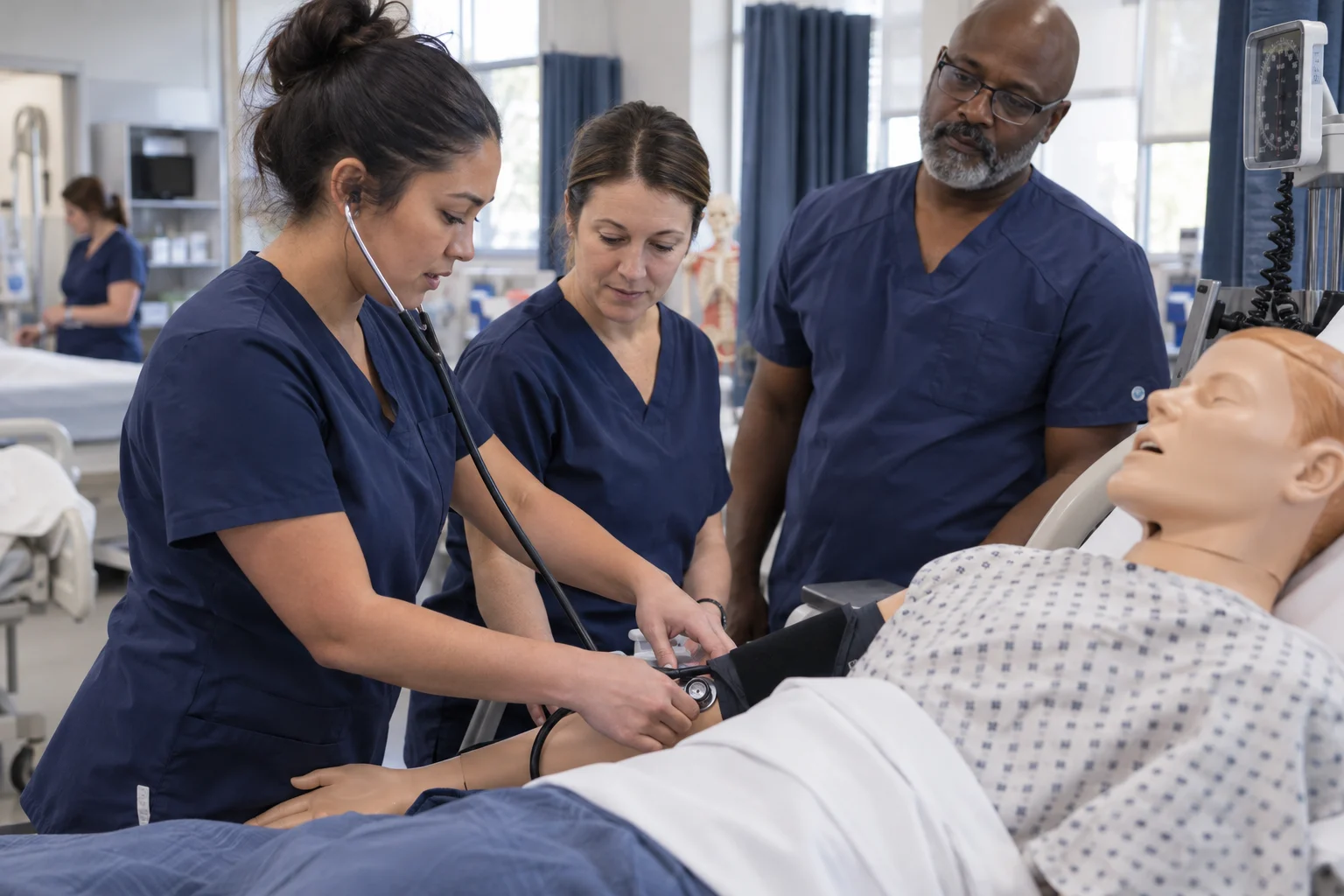
Vocational delivery depends on practical opportunities, equipment, assessor availability and evidence of competence. Attendance at a workshop is relevant, but it is not the same as successfully demonstrating a required skill.
A representative operating decision
Trace a competency unit through preparation, observed practice, assessment and reassessment. Identify what evidence is sufficient, who may judge it and which resources must be available for the learner to demonstrate the skill.
BUILT AROUND YOUR STRUCTURE
Academic structure for vocational & technical.
Organize qualifications, competency units, cohorts, training blocks, and assessment opportunities. Practical sign-offs and evidence portfolios need a different rhythm from a termly report card.
Explore the capability directoryA DAY IN YOUR SETTING
Workshop learning to competency sign-off
An illustrative workspace. Choose an item to explore its next conversation.
ILLUSTRATIVE TASK · VOCATIONAL & TECHNICAL
Workshop session
Check instructor, equipment, and learner allocation.
Discuss the handover: who confirms this step, what information is needed, and which team acts next?
Capabilities that belong in this conversation.
Academic Structures & Programs
Represent the institution’s academic organization, from school years and grades to faculties, qualifications and programs.
Assessments & Tests
Connect assessment plans, learning outcomes, student attempts and feedback across formative and summative work.
Certificates & Credentials
Coordinate eligibility, approval and issuance for institutional certificates and completion credentials.
Facility & Room Bookings
Coordinate access to shared rooms and facilities around availability, booking rules and institutional events.
Maintenance & Asset Management
Bring asset records, reported faults, assigned work and maintenance history into campus operations.
Grading & Moderation
Support consistent grading decisions with marking criteria, review stages and moderation responsibilities.
THE LEARNER JOURNEY
Vocational & Technical: the learner journey.
An illustrative workflow to shape your institution’s demonstration.
- 1
Join a pathway
Capture entry requirements and the intended qualification.
- 2
Build skills
Plan workshops, learning activities, and practical experience.
- 3
Demonstrate competence
Review evidence and record assessment or reassessment decisions.
- 4
Complete
Check the required units before preparing a credential or progression plan.
 Qentak for Vocational & TechnicalJoin a pathway → Demonstrate competence
SEE HOW THE WORK CONNECTS
Qentak for Vocational & Technical
Bring training cohorts, practical assessment, learner evidence, placements, and certification into one coherent journey.
- 01
Join a pathway
Capture entry requirements and the intended qualification.
- 02
Build skills
Plan workshops, learning activities, and practical experience.
- 03
Demonstrate competence
Review evidence and record assessment or reassessment decisions.
Illustrative workflow · Shape the details around your institution.
ONE INSTITUTION. DIFFERENT PERSPECTIVES.
What each team needs in vocational & technical.
Instructor
Today’s workshop, equipment needs, and learner observations.
Assessor
Evidence awaiting review and competency decisions to record.
Training coordinator
Cohort progress, placements, and completion readiness.
BEYOND THE CLASSROOM
Coordinate the operations behind learning.
Explore equipment bookings, consumables, workshop maintenance, placement coordination, funding arrangements, and course-based billing.
CONFIGURATION & GOVERNANCE
Agree the details before rollout.
Map qualification structures, competency standards, evidence requirements, reassessment rules, and awarding-body reporting needs.
Define who can assess, moderate, approve completion, and issue credentials. Agree how evidence is retained and reviewed.
Discuss security and controlFollow the work from another perspective.
Teachers & instructors
Explore the daily responsibilities, decisions, and handovers of teachers & instructors.
Academic directors
Explore the daily responsibilities, decisions, and handovers of academic directors.
Facilities managers
Explore the daily responsibilities, decisions, and handovers of facilities managers.
A supported change, step by step.
Pilot one qualification unit from workshop scheduling through assessment and reassessment. Validate evidence formats, assessor authority, equipment dependencies, and certificate approval with the program team.
Planning questions for vocational & technical.
Can practical evidence sit alongside academic results?
The walkthrough can cover evidence collection, competency decisions, and academic results as related but distinct records.
Can delivery use different cohort start dates?
Bring examples of rolling intakes, block release, or evening cohorts so scheduling and registration requirements can be mapped.
YOUR CONTEXT COMES FIRST
See the journey for vocational & technical.
Bring your people, processes, and priorities into the conversation.