
QENTAK FOR SPECIAL EDUCATION
A shared plan. An individual path.
Bring learning plans, accommodations, reviews, and family collaboration into a coordinated picture around each learner.
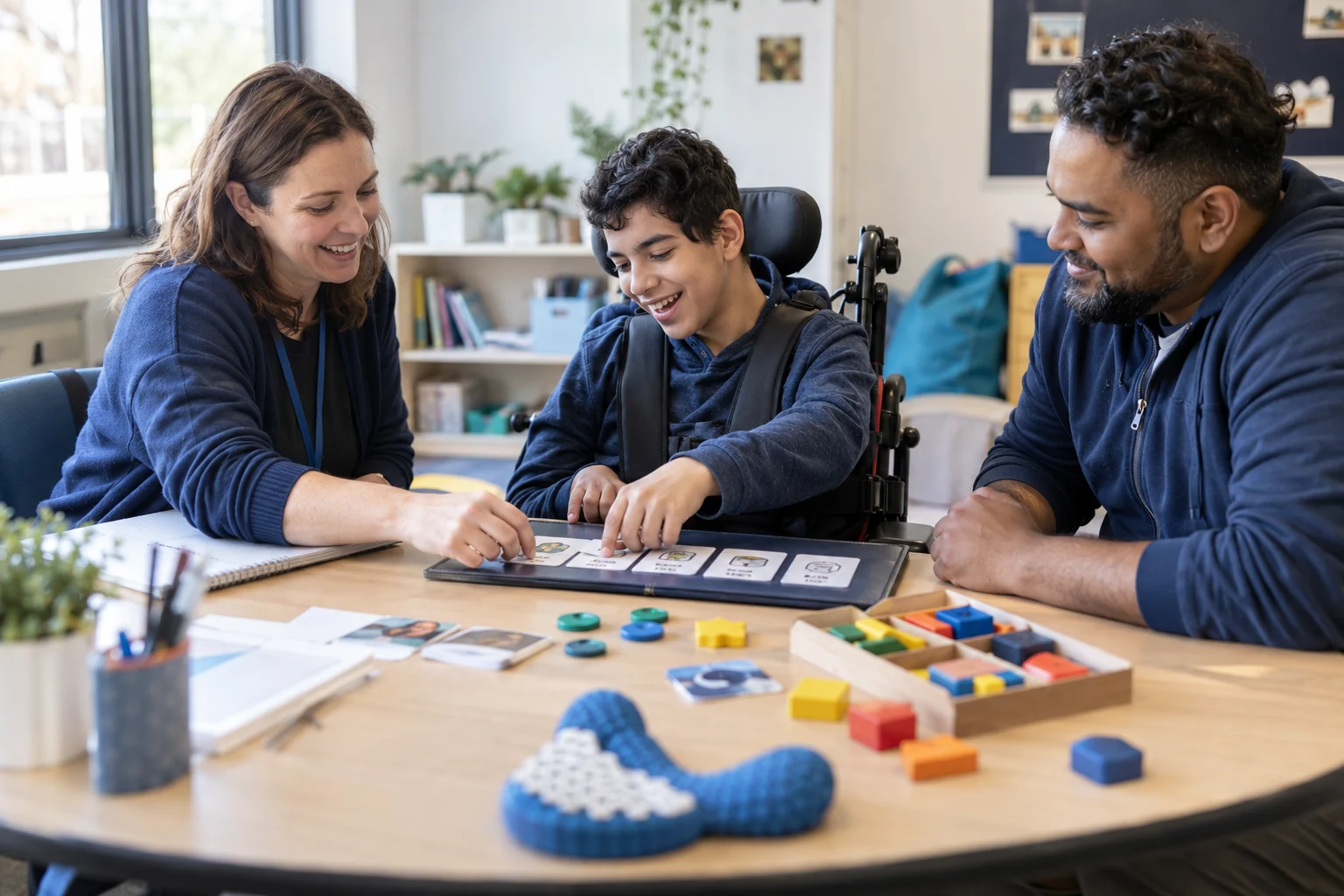
Bring together the relevant permissions and agreed support context.
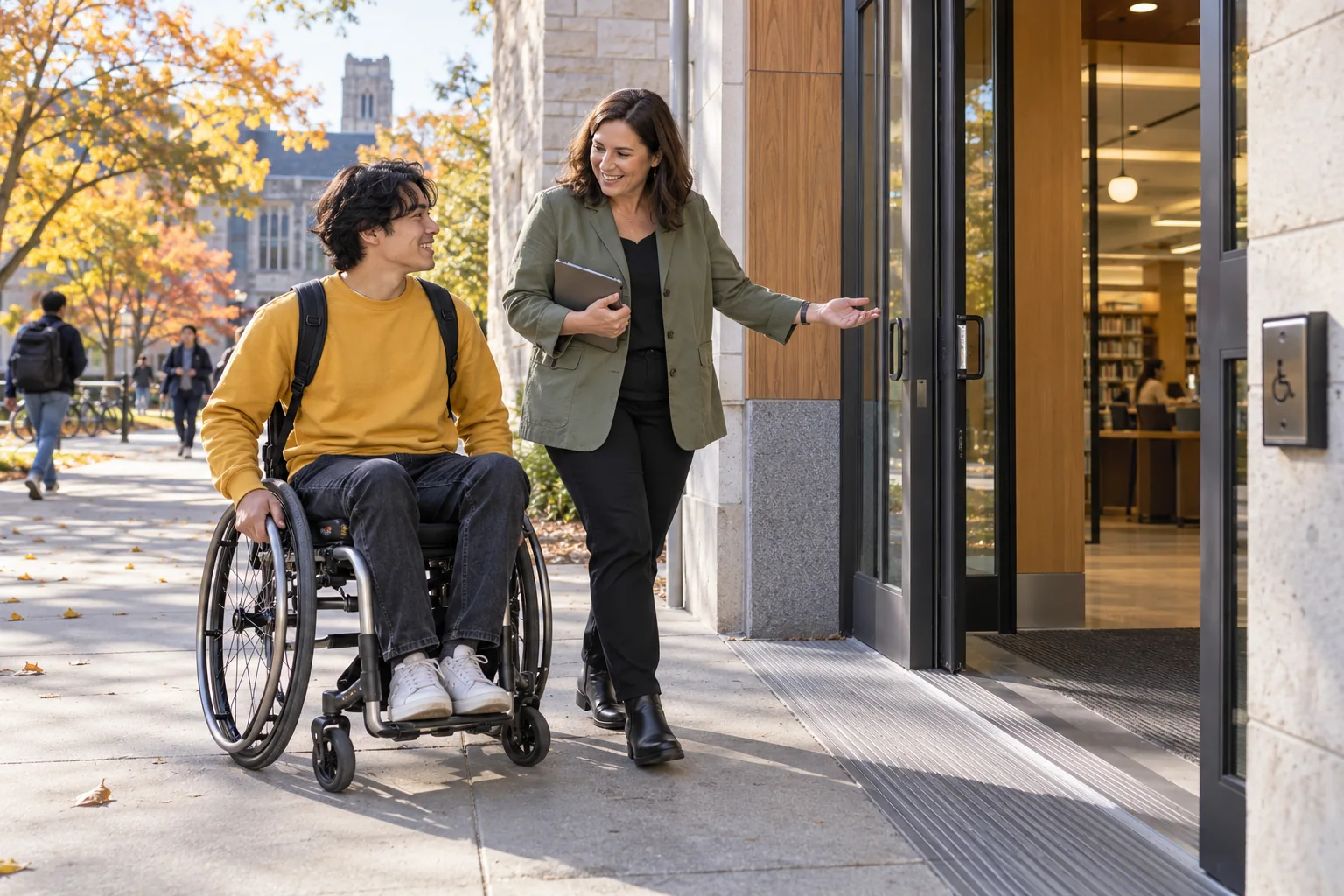
START WITH THE REAL WORK
The daily pressures facing special education.
Individual goals
Keep a learner’s goals and agreed accommodations close to classroom planning.
Multidisciplinary collaboration
Give educators and support specialists a common set of review dates and responsibilities.
Continuity of support
Make changes, transitions, and handovers easier to understand without spreading sensitive records widely.
WHAT TO LOOK FOR IN YOUR SETTING
Keep the individual plan connected to everyday participation.
Special education involves coordinated contributions from teachers, specialists, families and the learner. A plan is useful when its goals and practical strategies reach the people delivering support and its review draws on relevant evidence.
A representative operating decision
Follow one agreed goal across two learning settings. Distinguish the classroom strategy from confidential assessment evidence, and make the review owner and version of the plan explicit.
BUILT AROUND YOUR STRUCTURE
Academic structure for special education.
Plan around individual goals, learning groups, support schedules, review cycles, and the curriculum a learner follows. Progress may be expressed through observations and personalized milestones.
Explore the capability directoryA DAY IN YOUR SETTING
A coordinated support review
An illustrative workspace. Choose an item to explore its next conversation.
ILLUSTRATIVE TASK · SPECIAL EDUCATION
Classroom adjustment
Share a practical strategy with the assigned teacher.
Discuss the handover: who confirms this step, what information is needed, and which team acts next?
Capabilities that belong in this conversation.
Special Education & IEPs
Connect individual learning goals, accommodations and review responsibilities across the support team.
Accessibility Accommodations
Make approved learning and participation adjustments available to the staff responsible for implementing them.
Meetings & Appointments
Coordinate appointment availability, participant details and follow-up for institutional conversations.
Counseling & Wellbeing
Coordinate referrals, appointments and support actions while separating sensitive case information from general records.
Student Records & Documents
Organize the documents that support a student’s journey, with clear categories, review status and access responsibilities.
Transport & Fleet
Connect student transport arrangements, routes, vehicles and the people responsible for daily service.
THE LEARNER JOURNEY
Special Education: the learner journey.
An illustrative workflow to shape your institution’s demonstration.
- 1
Understand needs
Bring together the relevant permissions and agreed support context.
- 2
Plan together
Set goals, accommodations, responsible people, and review dates.
- 3
Support learning
Connect observations and classroom adjustments to the plan.
- 4
Review & transition
Evaluate progress with the learner and family, then prepare the next stage.
ONE INSTITUTION. DIFFERENT PERSPECTIVES.
What each team needs in special education.
Teacher
Relevant classroom accommodations and learning goals.
Student support specialist
Assigned plans, upcoming reviews, and agreed actions.
Family or learner
Shared goals, review conversations, and practical updates.
 Qentak for Special EducationUnderstand needs → Support learning
SEE HOW THE WORK CONNECTS
Qentak for Special Education
Bring learning plans, accommodations, reviews, and family collaboration into a coordinated picture around each learner.
- 01
Understand needs
Bring together the relevant permissions and agreed support context.
- 02
Plan together
Set goals, accommodations, responsible people, and review dates.
- 03
Support learning
Connect observations and classroom adjustments to the plan.
Illustrative workflow · Shape the details around your institution.
BEYOND THE CLASSROOM
Coordinate the operations behind learning.
Include accessible transport, specialist room bookings, staff availability, and appointment coordination in operational discovery.
CONFIGURATION & GOVERNANCE
Agree the details before rollout.
Discuss your plan formats, terminology, assessment approach, access needs, consent requirements, and multidisciplinary review processes.
Use the minimum necessary access for sensitive support information. Define who can contribute, view, approve, and share each part of a support record.
Discuss security and controlFollow the work from another perspective.
Student support
Explore the daily responsibilities, decisions, and handovers of student support.
Teachers & instructors
Explore the daily responsibilities, decisions, and handovers of teachers & instructors.
Parents & guardians
Explore the daily responsibilities, decisions, and handovers of parents & guardians.
Related institution solutions.
A supported change, step by step.
Begin with a small set of anonymized plan examples and a multidisciplinary review. Validate access boundaries, plan version history, accommodations, and family-sharing decisions before migrating confidential material.
Planning questions for special education.
Does every staff member need the full support record?
No. Discovery should distinguish practical accommodations needed in class from confidential assessments and specialist notes.
Can progress use individual goals?
A tailored walkthrough should begin with your actual plan structure and review process, including non-grade-based progress measures.
YOUR CONTEXT COMES FIRST
See the journey for special education.
Bring your people, processes, and priorities into the conversation.