QENTAK FOR FACILITIES MANAGERS
Keep learning spaces ready for the people who need them.
Connect room bookings, assets, maintenance, service requests, and campus events to practical priorities and clear operational ownership.
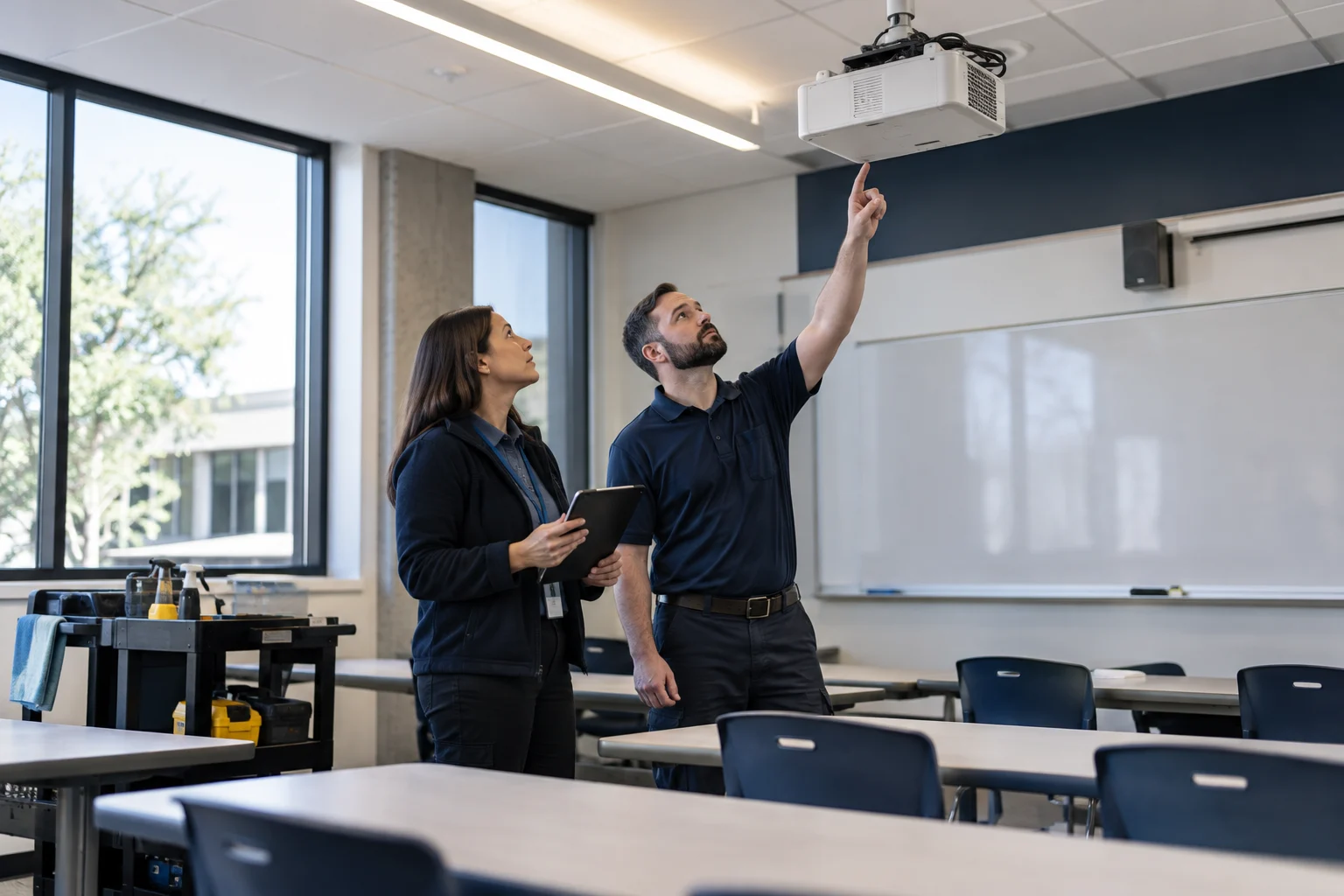
Understand who needs a room or facility, when, and what preparation it requires.
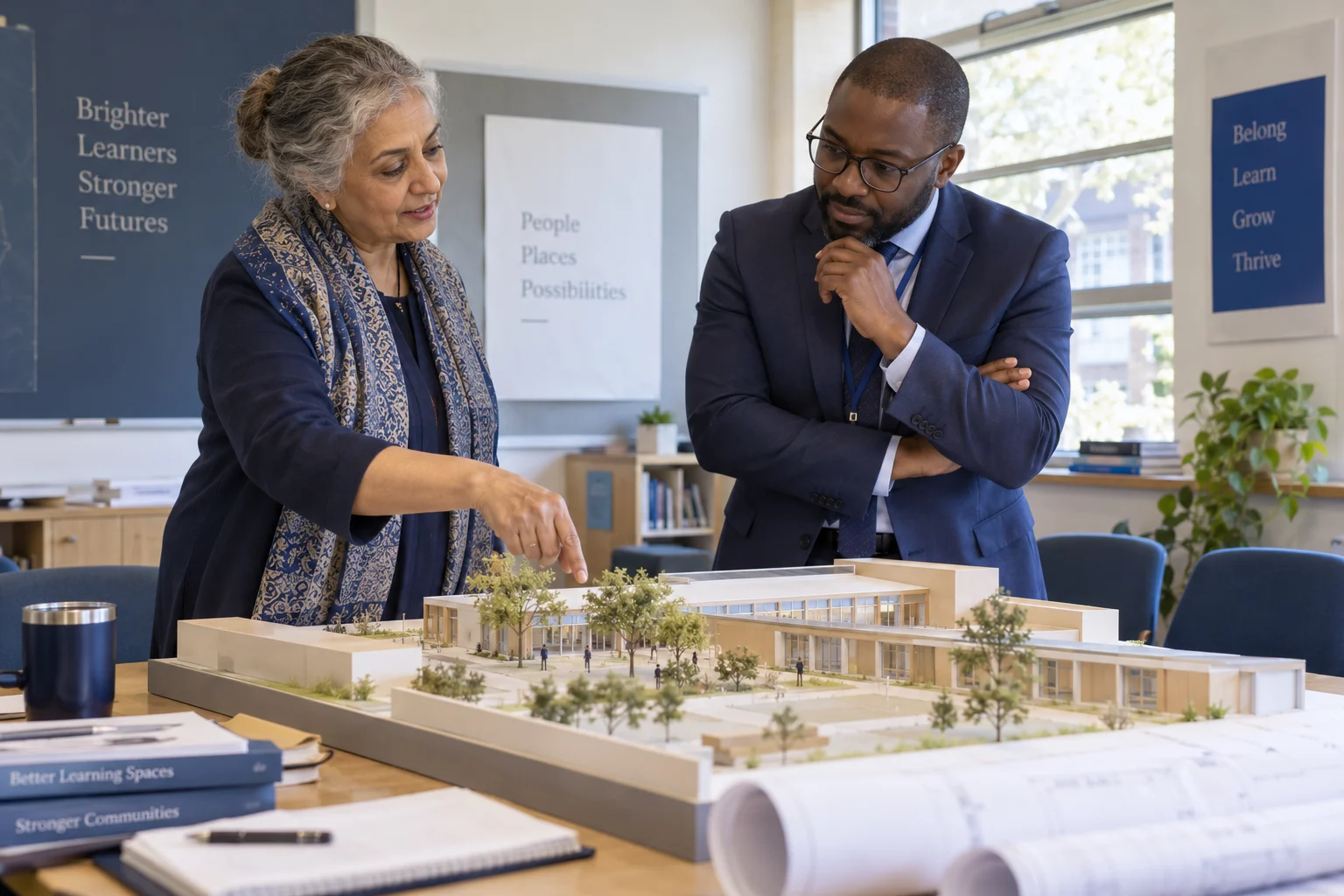
START WITH THE RESPONSIBILITY
Priorities for facilities managers.
Coordinate spaces
Understand who needs a room or facility, when, and what preparation it requires.
Maintain useful assets
Connect faults, planned work, equipment history, and the next responsible action.
Support safe continuity
Coordinate service interruptions and practical responses with affected academic and campus teams.
REMOVE THE DISCONNECTED HANDOFFS
Less chasing. Clearer next steps.
The point of a connected workflow is to help people act with the right context.
A booking ignores readiness
A room is allocated while maintenance or equipment preparation is still outstanding.
Review room use alongside practical constraints and the team responsible for readiness.
A fault has no follow-through
A problem is reported but its priority, owner, and closure evidence are unclear.
Connect the request, assessment, work assignment, and confirmation that the space is ready.
EXPLORE A CONNECTED WORKFLOW
Follow a working day: prepare spaces and beyond.
Choose a stage, then a responsibility. See the context and the practical action that connects it to the next person.
Campus readiness
Prepare spaces
Look ahead to the facilities people will rely on today.
Explore a responsibility
Workshop booking
Review the session, room, equipment requirements, and preparation responsibility.
Example content and counts explain the workflow. This is an interactive public preview, not an institution account.
A DECISION FROM YOUR WORKING DAY
Restoring teaching while a repair is still open
The context you need
A reported fault needs a location, affected asset and operational impact. Separate the immediate workaround from the permanent repair: an alternative room may allow teaching to continue while the original equipment still needs service. Closing the request prematurely conceals the remaining responsibility.
What the next person needs from you
The teacher needs a usable room or equipment update. The maintenance owner needs the fault and completion criteria. When the repair is accepted, update the asset history and any affected booking availability.
Follow the repair and asset historyTHE WORK DOESN’T STOP AT YOUR DESK
Who facilities managers coordinate with.
Academic directors
Understand specialist-space requirements and teaching dependencies.
Explore their perspectiveStudent services
Coordinate residence, meals, transport, and campus-event needs.
Explore their perspectiveFinance teams
Connect repairs and replacements with purchasing and budget approval.
Explore their perspective Qentak for Facilities ManagersCoordinate spaces → Support safe continuity
SEE HOW THE WORK CONNECTS
Qentak for Facilities Managers
Connect room bookings, assets, maintenance, service requests, and campus events to practical priorities and clear operational ownership.
- 01
Coordinate spaces
Understand who needs a room or facility, when, and what preparation it requires.
- 02
Maintain useful assets
Connect faults, planned work, equipment history, and the next responsible action.
- 03
Support safe continuity
Coordinate service interruptions and practical responses with affected academic and campus teams.
Illustrative workflow · Shape the details around your institution.
INFORMATION THAT SUPPORTS A DECISION
The decisions your reports need to support.
Outstanding work
Prioritize unresolved tasks by operational impact and the institution’s assessment.
Space utilization
Ask where bookings, capacity, and practical availability need attention.
Asset history
Use repeated faults and maintenance evidence to support a replacement decision.
WHEN THE DAY TAKES YOU ELSEWHERE
Keep the next step within reach.
Plan the mobile experience around the tasks worth doing away from a desk, with the same responsibility for access and sensitive information.
Explore the mobile approachAt the location
Review the room or asset context while assessing the reported issue.
During a handover
Check an assigned task and record the practical next step under the institution’s process.
THE CAPABILITIES BEHIND YOUR WORK
Explore the detail that matters to you.
Facility & Room Bookings
Coordinate access to shared rooms and facilities around availability, booking rules and institutional events.
Maintenance & Asset Management
Bring asset records, reported faults, assigned work and maintenance history into campus operations.
Procurement & Purchasing
Connect purchasing requests, supplier decisions, approvals and the receipt of goods or services.
Incident Management
Connect incident reports, immediate responses and follow-up responsibilities with the relevant people and locations.
Visitor Management & Access Control
Coordinate expected visits, host confirmation and visitor records alongside the institution’s physical access procedures.
Emergency Response & Fire Drills
Support emergency planning and drill records with responsibilities, participation checks and review actions.
RESPONSIBILITY SHAPES ACCESS
The right context. The right boundaries.
Facilities teams need locations, assets, schedules, and practical requirements. Personal learner or health details should not be included where a functional accommodation is sufficient.
Explore security and governanceQuestions from facilities managers.
Does a maintenance record certify safety?
No. Records support coordination; qualified inspection, safety decisions, and legal obligations remain with the institution and authorized professionals.
Can bookings consider specialist equipment?
Bring examples of room capacity, equipment dependencies, setup time, and maintenance restrictions to the requirements discussion.
MAKE THE WALKTHROUGH ABOUT YOUR WORK
Explore a connected campus-readiness workflow.
Bring a typical task, the people involved, and the handoff you would most like to improve.